
HISTORY BEANS
 The history of coffee is lost in time. Tracing its antique origins is tricky and elusive. Few histories are so closely intertwined with legend as that of coffee and it is not an easy task trying to distinguish fact from enticing fiction. In the Bible (the First Book of Kings), David offers a gift of “toasted beans” – coffee – and it is also the beverage that Helen of Troy offers to Menelaus, added to wine to dry guests’ tears.
In the span style=”color: #ab0b17; font-size: 18px;”>XIV century, news began to spread of the gradual adoption of coffee in Arabia, Egypt, Syria and Turkey. These populations appreciated the beverage and were the earliest to testify to its therapeutic qualities.
Starting from the XVI century on, merchants began introducing coffee into the west, first through transportation and, later, through cultivation. The Dutch established extensive plantations in Java, the French in Martinique and the Antilles, followed by the English, Spanish and Portuguese in Africa, Asia and the Americas.
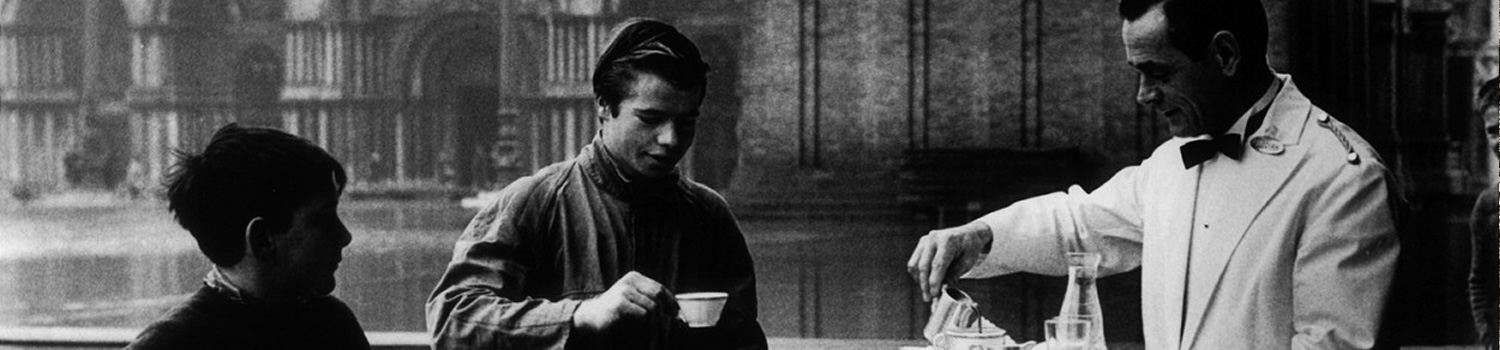
Venetians discovered coffee’s distinct aroma for the first time in 1570. The bean was brought to the city by the botanist and physician Prospero Alfino, who had unearthed in Egypt a beverage he described as being “black in colour and similar in taste to chicory”.
Italy first bar, more precisely its first cafeteria, was opened in Venice. The very first establishment opened its doors in Constantinople in 1554; the first in Europe was set up in Marseille in 1659 and another in Hamburg in 1679.
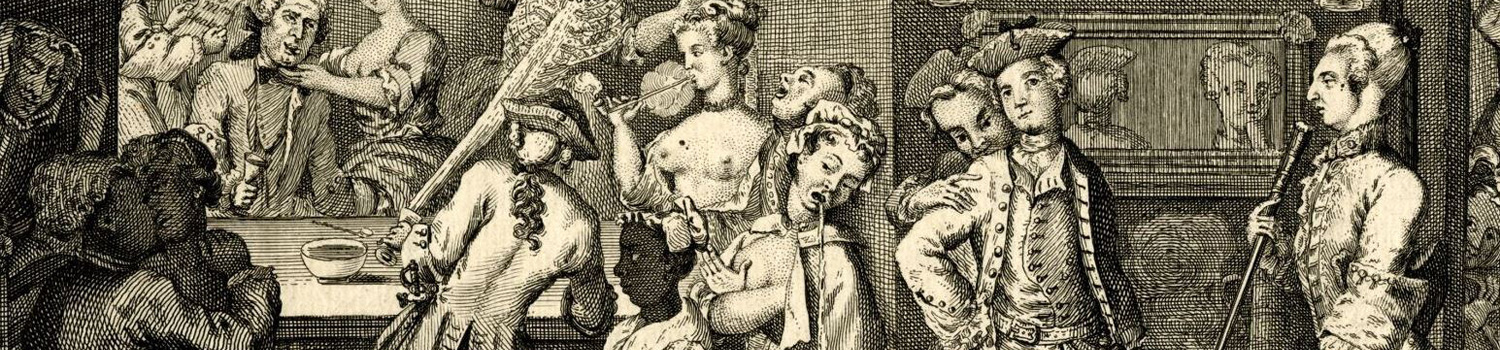
Coffee did not receive the warmest of welcomes when it first appeared in Italy. The church opposed the habit of going to the bar, labelling it a “place of perdition”. However, Pope Clemente VII opted to approve the “devil’s drink” so struck was he by it that he baptized it the “Christian beverage”.
This post is also available in: